


Enhancing Your Game with Professional Racquet Stringing Tips
When I want to improve my tennis or pickleball game, I focus on every detail. One key detail is the strings on my racquet. Proper stringing affects power, control, and comfort. It can make a big difference in how I play.
I learned that professional racquet stringing is not just about replacing old strings. It is about choosing the right strings, tension, and technique. This post shares what I found useful about professional racquet stringing tips. It helps me get the most from my racquet.
Why Professional Racquet Stringing Tips Matter
Stringing a racquet is more than just a quick fix. It requires skill and knowledge. Professionals understand how different strings and tensions affect play. They know how to avoid damage to the racquet frame.
I found that using professional racquet stringing tips helps me:
Get consistent string tension
Choose the best string type for my style
Extend the life of my racquet
Improve my shot accuracy and power
For example, if I want more control, I ask for tighter tension. If I want more power, I choose a softer string. Professionals guide me through these choices.
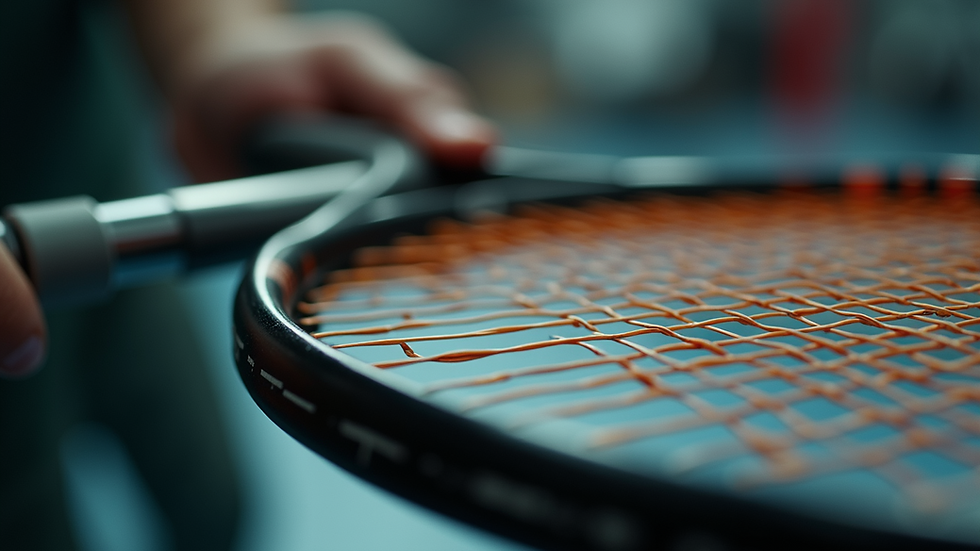
Professional Racquet Stringing Tips You Can Use
Here are some tips I follow to keep my racquet in top shape:
Check string tension regularly
Strings lose tension over time. I check mine every few weeks. If tension drops, I get a restring.
Choose the right string type
There are natural gut, synthetic gut, polyester, and multifilament strings. Each feels different. I pick based on my playing style and budget.
Use the right tension
Tension affects control and power. Lower tension gives more power but less control. Higher tension gives more control but less power. I experiment to find my sweet spot.
Avoid DIY stringing unless experienced
Stringing machines are precise. Without training, I risk damaging my racquet or strings. I prefer professional help.
Restring after damage or wear
Frayed or broken strings hurt performance. I restring immediately when I notice damage.
Keep racquet in a protective cover
This prevents damage to strings and frame when not in use.
These tips help me maintain my racquet and improve my game.
How much does it cost to string a tennis racket?
I often wonder about the cost of professional stringing. Prices vary depending on location, string type, and service quality. In my area, the cost usually ranges from $20 to $50.
Here is what affects the price:
String type: Natural gut is more expensive than synthetic.
Tension level: Some places charge more for very high or low tension.
Service speed: Same-day or rush service costs extra.
Additional services: Cleaning or racquet inspection may add to the price.
I find it worth paying for quality stringing. It saves money in the long run by preventing racquet damage and improving play.
How to Choose the Best Tennis Racquet Stringing Service
Finding a reliable tennis racquet stringing service is important. I look for these qualities:
Experience and reputation
I check reviews and ask other players for recommendations.
Quality of strings used
Good services offer a variety of quality strings.
Precision and care
They use professional machines and follow proper techniques.
Customer service
Friendly staff who explain options clearly.
Convenience
Location and turnaround time matter to me.
For example, I use tennis racquet stringing service that meets these criteria. They help me choose the right strings and tension every time.

Maintaining Your Racquet After Stringing
After getting my racquet professionally strung, I take steps to keep it in good condition:
Avoid extreme temperatures
Heat or cold can weaken strings and frame.
Store racquet properly
Use a cover and keep it in a dry place.
Inspect strings regularly
Look for signs of wear or fraying.
Clean strings gently
Wipe with a damp cloth to remove dirt.
Limit string breaks
Avoid hitting the ground or hard surfaces with the racquet.
By following these steps, I extend the life of my strings and racquet. This helps me play better and saves money.
Keep Improving Your Game with the Right Equipment Care
Stringing is a key part of racquet maintenance. Using professional racquet stringing tips helps me get the best from my equipment. It improves my control, power, and comfort on the court.
I recommend everyone who plays tennis or pickleball to pay attention to their racquet strings. Choose the right strings, get professional stringing, and maintain your racquet well. This simple step can boost your game and enjoyment.
If you want to learn more or get your racquet strung, check out a trusted tennis racquet stringing service. It is a smart investment in your sport.
Playing well starts with good equipment care. I keep this in mind every time I step on the court.


Comments